
Gjurmët
The Footprints We Leave: The Story of Shkumbin Roka, BC PARAMEDICS
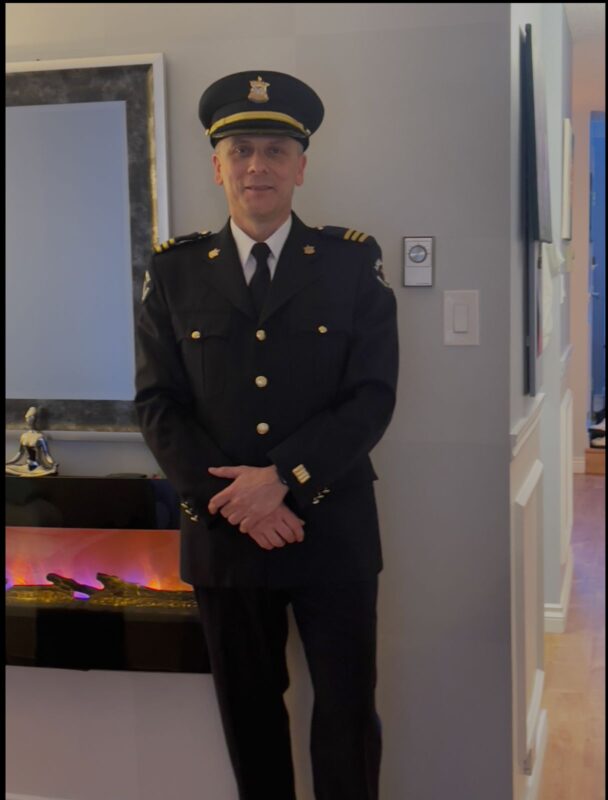
Shkumbin Roka
There are moments in history that define a generation. For thousands of Kosovar Albanians in 1999, that moment was not chosen - it was forced upon them. War tore through cities and villages, families were separated, and futures were suspended overnight. Among those who carried both loss and hope across borders was Shkumbin Roka.
Today, more than two decades later, Shkumbin stands as a Paramedic Supervisor in Vancouver, British Columbia, a respected leader in public service. But his story is not one of a straight line. It is one of interruption, survival, rebuilding, and ultimately, contribution.
And that is precisely why it matters.
When Staying Is No Longer an Option
On April 2, 1999, tragedy struck his hometown of Gjakova. Nineteen members of his extended family were killed in a massacre that would forever mark his life. Three days later, on April 5, Shkumbin fled with his wife, parents, siblings, and relatives. His daughter was only eight months old.
“We didn’t leave because we wanted to,” he reflects. “We left because staying was no longer an option.”
The journey was not symbolic. It was physical, exhausting, and terrifying. For nearly five hours, they walked through mountainous terrain. Serbian paramilitaries were visible in the distance. At one point, a man from their group was taken and executed. In those moments, survival narrows your focus. There is no long-term planning. There is only the next step. On May 24, 1999, sixteen members of his family arrived together in Canada as part of the government evacuation program. British Columbia would become their refuge. Safety, however, is only the first chapter of rebuilding.
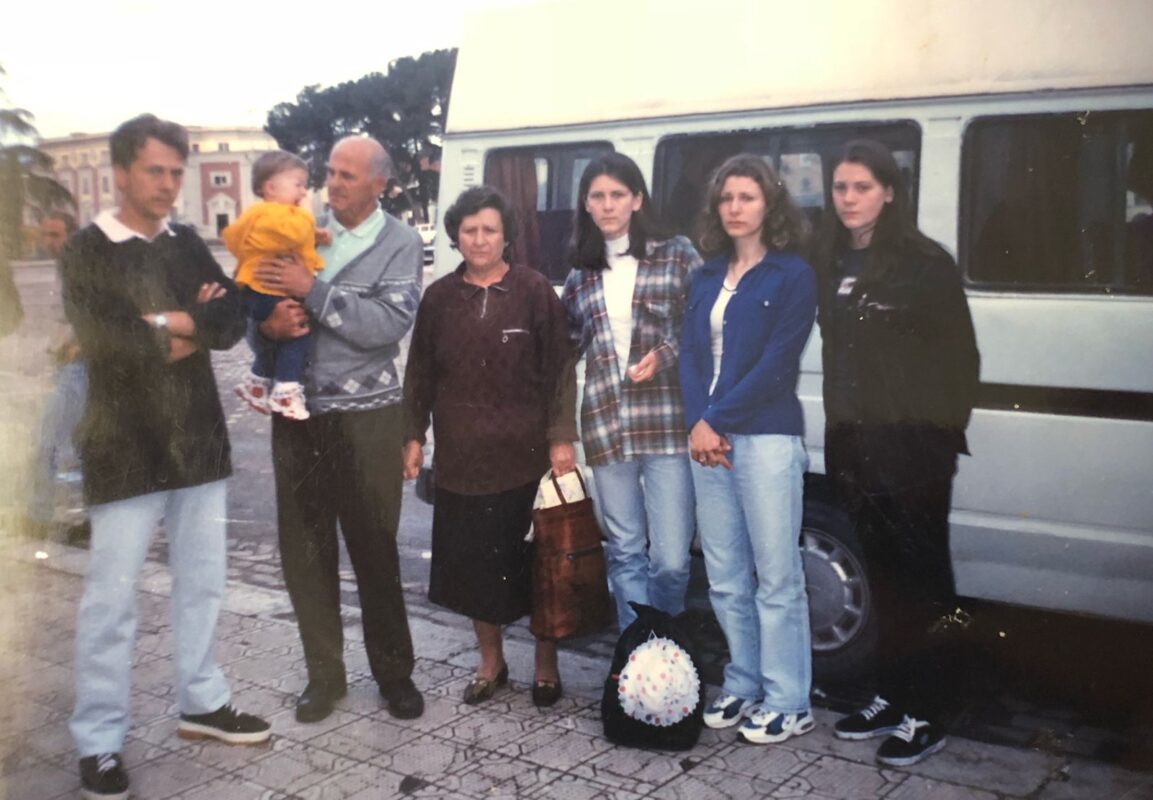
Photo taken in Tirana after fleeing Kosova
A Life Interrupted, But Not Defined by War
Before the conflict consumed Kosovo, Shkumbin had been a medical student at the University of Prishtina. When Albanian students and professors were expelled from public institutions, education moved underground, into basements and private homes.
“We studied wherever we could,” he says. “Education wasn’t about a building. It was about not giving up.”
Even then, resilience was not an abstract value. It was a daily decision. War interrupted his studies. Canada offered protection. But starting over required something deeper: humility and patience.
“I had to start from zero,” he says. “New language. New system. New culture. Everything.”
For nearly two years, he attended English classes. He worked construction. He painted homes. He worked as a bellman. He drove buses. These were not steps backward; they were steps forward in a new country. There is a quiet dignity in beginning again.
Service as Gratitude
Eventually, Shkumbin enrolled in the Primary Care Paramedic program at the Justice Institute of British Columbia. In 2002, he joined the BC Ambulance Service.
“It felt like I had found my place,” he says. “I could give back in a real way.”
Over the next 23 years, he responded to emergencies across Vancouver: cardiac arrests, overdoses, traumatic injuries, crises that unfold without warning. He witnessed vulnerability at its most raw.
“You meet people on the worst days of their lives,” he explains. “In those moments, nothing else matters except helping.”
Today, as a Paramedic Supervisor, he leads teams responsible for those same life-saving responses. The uniform he wears carries more than authority; it carries trust.
“Canada trusted me to serve its people,” he says. “That means something.”
For a man who once arrived as a refugee, that trust is not taken lightly.
The Measure of Success
Success is often framed in titles and promotions. For Shkumbin, it is measured differently.
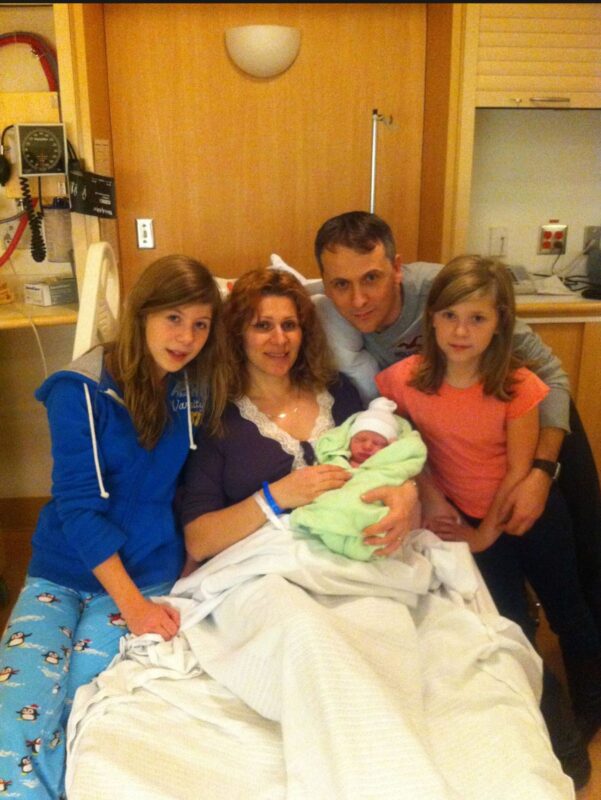
Among his proudest achievements are raising three children in Canada and watching two of them graduate from university. The life that once felt suspended now continues through a new generation.
“When I see my children succeed,” he says, “I know the sacrifice was worth it.”
His journey challenges simplistic narratives about refugees. They are not merely recipients of aid. They are future contributors, professionals, taxpayers, leaders.
They are neighbours.
In classrooms across British Columbia, Shkumbin teaches life-saving skills. He supports paramedic recruitment efforts. He volunteers in community initiatives. Service, for him, is not a career track; it is gratitude in motion.
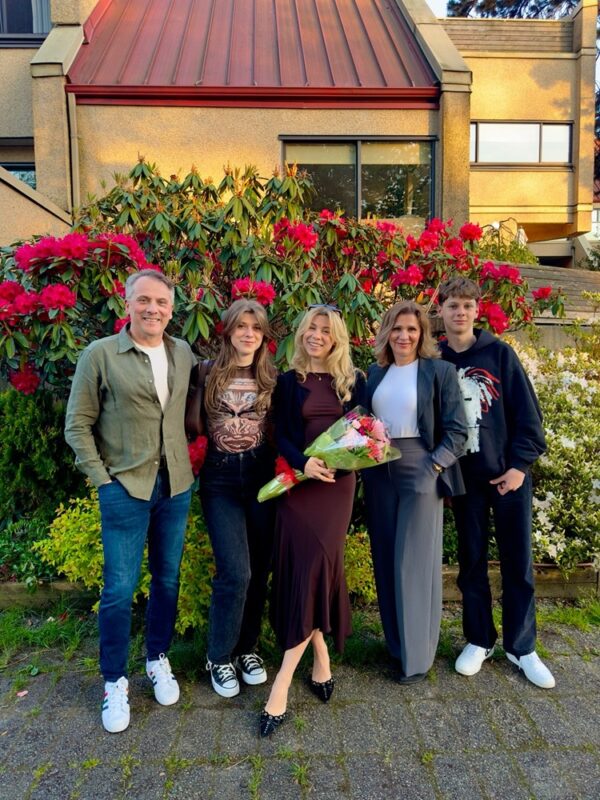
Shkumbin and his family today
Between Two Homes
Identity, after displacement, is rarely singular.
Shkumbin spent 28 years in Kosova and now more than 26 in Canada. He carries both with him.
“I am Albanian by blood and Canadian by opportunity,” he reflects. “Both are part of who I am.”
Kosova remains in his heart - particularly the memory of those lost. He returns often, staying connected to family and homeland. Canada, however, is home. It is where his children grew up. It is where he built a career defined by public service.
“You don’t forget where you come from,” he says. “But you also honor where you are.”
The initiative “Gjurmët” exists to document these stories - the footprints left behind by individuals who arrived with little more than courage, determination, and hope.Each journey reminds us that integration is not assimilation. It is contribution. It is the steady transformation of hardship into purpose, of displacement into belonging.
From classrooms rebuilt in unfamiliar languages to careers forged in public service, healthcare, education, business, and community leadership, these lives trace lines across continents and decades. They show that the true value of welcoming refugees cannot be measured only in the urgency of crisis. Its impact reveals itself slowly - in families raised, in institutions strengthened, in communities enriched.
Each person once crossed borders carrying uncertainty. Today, they carry responsibility. They lead teams. They serve neighbours. They build businesses. They mentor the next generation. This is not only resilience. It is renewal; It is contribution; It is legacy.
And these are the gjurmët - the footprints of lives rebuilt, and of individuals who now help others stand.